
Partnership between Toyota and Waymo could pave the way for robotaxis to be sold directly to consumers
The move was swift. Just two days after Alphabet CEO Sundar Pichai mentioned the possibility of Waymo selling robotaxis to individual consumers, the company announced an agreement with Toyota that could turn this idea into reality.
According to a joint statement, Waymo and Toyota signed a “preliminary agreement” to explore a collaboration aimed at advancing autonomous driving technologies. The goal is to develop a new platform for autonomous vehicles and work on designing the next generation of cars for personal use. “The scope of the partnership will continue to evolve with ongoing discussions,” the statement says.
Although the agreement is still at an early stage, the essence is clear: Waymo brings its autonomous driving technology, while Toyota contributes its manufacturing capability. In the future, it’s possible that cars with Waymo technology integrated into Toyota models could be available to the public.
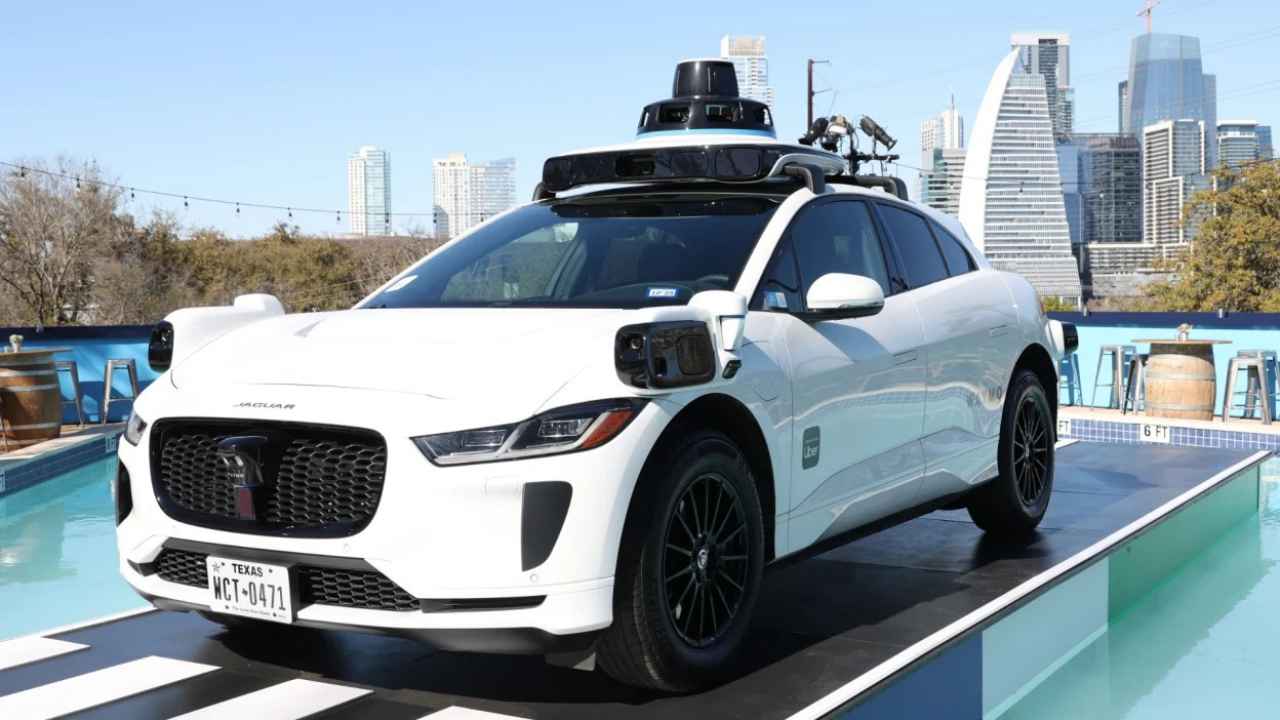
Currently, Waymo’s fleet of robotaxis — operating in cities like San Francisco, Los Angeles, Phoenix, and Austin — consists of Jaguar I-Pace vehicles equipped with advanced sensors such as cameras, LIDAR, and ultrasonic sensors. For now, Waymo does not sell vehicles directly to consumers. Toyota, the world’s largest automaker, is known for the reliability of its Toyota and Lexus models.
It is not yet defined whether the outcome of the partnership will be a new model under a unique brand or a Toyota vehicle adapted with autonomous intelligence. Initially, the expectation is that Waymo will add Toyota models to its fleet and share some of its technology with the Japanese automaker.
“We’re excited about this strategic partnership, which will allow us to incorporate Toyota vehicles into our fleet and bring Waymo’s innovation to their customers,” said Takedra Mawakana, co-CEO of Waymo.
The pressure to move quickly is real — Tesla is also preparing to launch robotaxis directly to consumers. The company is testing an autonomous app-based service in Austin and the San Francisco Bay Area and plans to begin production of its fully autonomous Cybercab vehicle in 2026.
Source and images: Mashable / Disclosure. This content was created with the help of AI and reviewed by the editorial team.
